
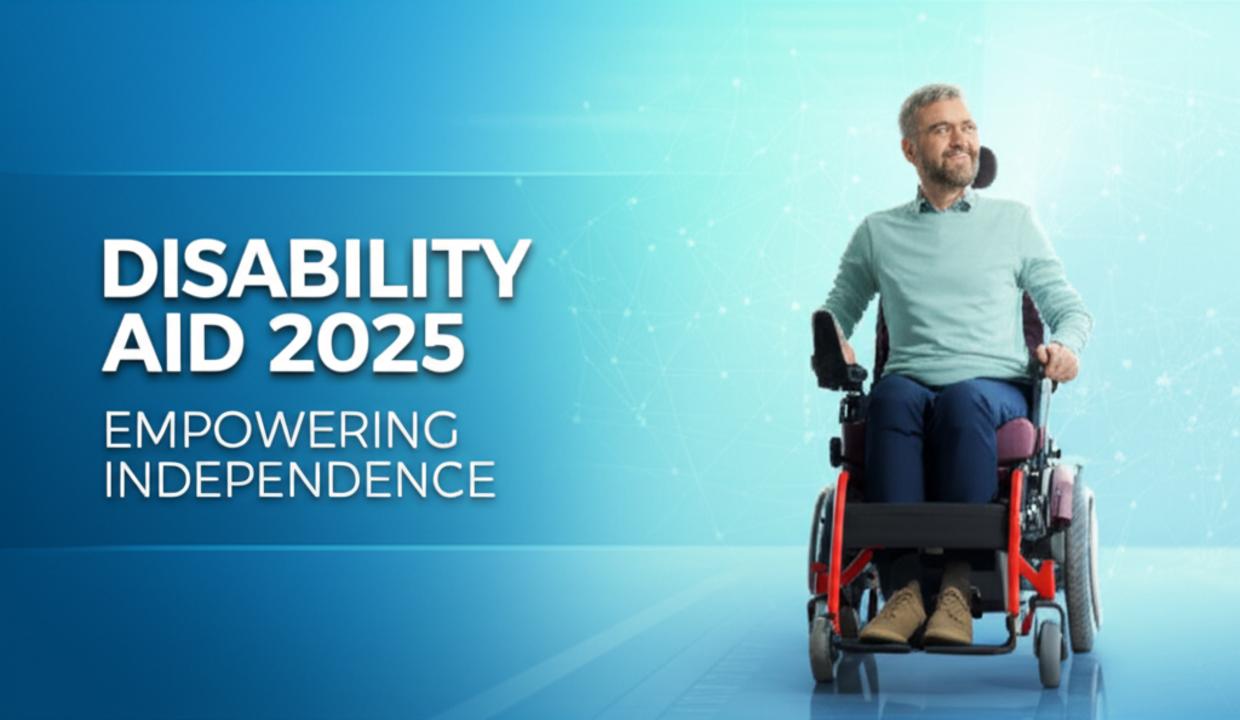
Navigating life with a disability often presents unique challenges, and access to appropriate equipment is paramount for fostering independence and enhancing quality of life. The Disability Aid Equipment Scheme 2025 emerges as a beacon of hope, aiming to streamline and enhance how individuals with disabilities acquire essential mobility and assistive technology. This comprehensive scheme is designed to integrate various support programs, budgets, and grants, often orchestrated by health services, local councils, and dedicated charities.
Our goal in this article is to demystify the Disability Aid Equipment Scheme 2025. We will delve into its core components, explore the advanced technologies it embraces, discuss eligibility, and highlight the profound impact it promises for countless individuals. Understanding this vital government scheme 2025 is crucial for anyone seeking to improve their daily living through accessible and modern support devices.
Understanding the Disability Aid Equipment Scheme 2025
The Disability Aid Equipment Scheme 2025 represents a significant step forward in disability support. It’s a coordinated effort to ensure that individuals have better access to the mobility aids and assistive technology they need to lead fulfilling lives. This initiative goes beyond simple provision, aiming for a more holistic and user-centric approach.
At its heart, the scheme focuses on empowering individuals by providing choice and flexibility. It acknowledges that everyone’s needs are unique, and a one-size-fits-all approach is rarely effective. By involving various stakeholders, from national health services to local community groups, the scheme seeks to create a robust network of support.
Key Pillars of Support: How the Scheme Works
The Disability Aid Equipment Scheme 2025 is built upon several foundational components, each designed to address specific aspects of equipment provision and financial aid. These pillars work in concert to create a more accessible landscape for equipment for disabled individuals.
Personal Wheelchair Budget and Mobility Support
A notable evolution within the scheme is the transition towards a Personal Wheelchair Budget. This innovative approach is gradually replacing the traditional wheelchair voucher system, offering users greater choice and flexibility in selecting their mobility solutions. Imagine being able to combine this budget with other personal health or social care funds, tailoring support precisely to your needs.
This budget aims to give users more control over their decisions, whether opting for a standard NHS provision or contributing towards a more specialized device. However, it’s important to note that those not qualifying for specific wheelchair service support may still need to acquire equipment privately or through alternative funding sources.
Motability Scheme: Enhanced Mobility Choices
For many, the Motability Scheme offers a lifeline to independence. If you receive qualifying disability benefits, such as the higher rate mobility component of Disability Living Allowance or the enhanced rate mobility component of Personal Independence Payment (PIP), you could exchange part of your allowance for a brand-new powered wheelchair, scooter, or even a car.
This scheme is incredibly comprehensive, often including insurance, maintenance, and repair services within the arrangement. While additional payments might sometimes be required, the core benefit remains significant, providing worry-free access to essential mobility devices. It truly embodies the spirit of disability support devices that enable greater freedom.
Charity Grants and Loans: Bridging the Gaps
Despite the breadth of government and health service support, there are often gaps. This is where dedicated charities step in, playing a crucial role in the Disability Aid Equipment Scheme 2025. For equipment not fully covered by NHS or local council provisions, numerous charitable organizations offer financial assistance.
These grants and loans are typically provided based on individual circumstances, needs, and income. Exploring these options can be vital for securing specialized or bespoke equipment that might fall outside standard scheme provisions. Many charities are committed to ensuring no one is left behind due to financial constraints.
Mobility Devices Coverage: A Broader Perspective
While the scheme has specific UK-focused components, the principles of mobility device coverage are often shared internationally. For instance, in the U.S., essential mobility devices like manual wheelchairs, power wheelchairs, and power-operated vehicles (scooters) are covered for eligible individuals. The key criterion is significant mobility limitations affecting daily living activities.
Providers offering these devices must adhere to strict medical equipment service standards, including offering repair services and providing loaner devices during maintenance periods. This ensures continuous access and support for users. You can explore more about how essential disability equipment is selected and provided through resources like this guide on choosing disability equipment.
Embracing Innovation: Assistive Technology in 2025
The Disability Aid Equipment Scheme 2025 is not just about traditional aids; it’s deeply committed to integrating cutting-edge technology. The focus on assistive technology promises a future where support devices are smarter, more intuitive, and increasingly empowering.
State-of-the-Art Mobility Aids: Smart Wheelchairs and Beyond
The year 2025 heralds an exciting era for mobility aids. The scheme is incorporating advanced solutions like smart wheelchairs, which are a far cry from their traditional counterparts. These intelligent devices are packed with features designed to enhance safety, autonomy, and overall user experience.
Imagine a wheelchair equipped with GPS for navigation, collision avoidance systems to prevent accidents, and even real-time health monitoring. Voice control and Bluetooth connectivity are becoming standard, allowing seamless integration with other smart devices. These enhancements truly revolutionize personalized care and independence. You can discover the latest trends in mobility aid technology for 2025 to see what’s on the horizon.
Comprehensive Assistive Technology Programs
Beyond individual devices, the scheme draws inspiration from comprehensive assistive technology programs. A great example is Wisconsin’s WisTech program, which demonstrates a multi-faceted approach. Such programs offer not just equipment but a full ecosystem of support including:
- Assessment: Identifying the exact needs of an individual.
- Customization: Tailoring equipment for optimal fit and function.
- Repair and Maintenance: Ensuring devices remain in perfect working order.
- Training: Empowering users to maximize the benefits of their technology.
- Loan Programs: Providing temporary access to devices.
- Financing Options: Helping overcome financial barriers.
These comprehensive approaches are vital for truly increasing independence in daily life. Programs like WisTech serve as a blueprint for holistic disability support devices integration.
Navigating Eligibility and Application
While specific application procedures for the Disability Aid Equipment Scheme 2025 will vary based on your location and the type of support you seek, some general principles apply. Eligibility for many components, especially those related to mobility, often hinges on a medical assessment confirming a long-term physical disability or a significant impairment affecting mobility.
For schemes like Motability, eligibility is tied to specific disability benefits. For local council and charity grants, financial means testing and a detailed assessment of your specific equipment needs are usually required. It’s always advisable to consult with your local health services, disability charities, or social care departments for precise guidance on applying for equipment for disabled individuals.
Benefits of the Disability Aid Equipment Scheme 2025
The profound impact of the Disability Aid Equipment Scheme 2025 cannot be overstated. It promises a range of benefits that directly contribute to a better quality of life for individuals with disabilities:
- Improved Independence: Access to the right mobility and assistive devices empowers individuals to perform daily tasks, move freely, and participate more fully in society without constant reliance on others.
- Enhanced Quality of Life: By removing barriers and facilitating participation, the scheme significantly boosts emotional well-being, social inclusion, and overall life satisfaction.
- Access to Modern Technology: Incorporating cutting-edge assistive technology ensures that users benefit from the latest innovations, offering advanced features for safety, efficiency, and comfort.
- Financial Relief: Through grants, budgets, and the Motability Scheme, the financial burden of acquiring expensive equipment is significantly alleviated, making essential aids accessible to a wider population.
- Personalized Solutions: The shift towards personal budgets and comprehensive assessment processes allows for more tailored equipment choices, ensuring devices meet specific individual needs rather than a generic standard.
Addressing Challenges and Future Outlook
While the Disability Aid Equipment Scheme 2025 is a forward-thinking initiative, it operates within a broader policy landscape that can present challenges. Initiatives like Project 2025 in some regions raise concerns among disability advocates regarding potential reductions in federal disability supports and civil rights protections.
Such policy shifts could negatively impact access to equipment and services, underscoring the ongoing need for vigilance and advocacy. The strength of the scheme will rely on sustained funding, consistent policy support, and continued integration of technological advancements. Ongoing advocacy, exemplified by organizations like Minnesota’s Department of Human Services, is crucial to ensuring equitable access and resource availability. This helps guarantee inclusivity and independence for all people with disabilities, a core objective of any robust disability aid scheme.
The future of the scheme appears to be one of constant evolution, driven by both technological innovation and persistent advocacy. Ensuring that everyone who needs disability support devices can access them will remain a primary focus. #DisabilitySupport
Watch More in This Video
Frequently Asked Questions (FAQ)
- What is the primary goal of the Disability Aid Equipment Scheme 2025?
The scheme aims to enhance access to necessary mobility and assistive technology equipment for individuals with disabilities. It achieves this through a coordinated approach involving various support programs, budgets, and grants from health services, local councils, and charities. - How does the Personal Wheelchair Budget differ from old voucher systems?
The Personal Wheelchair Budget provides more choice and flexibility for users. It can be combined with personal health or social care budgets, giving individuals greater control over how their mobility support funds are utilized to acquire tailored equipment. - Who is eligible for the Motability Scheme under the 2025 plan?
Individuals receiving qualifying disability benefits such as the higher rate mobility component of Disability Living Allowance or the enhanced rate mobility component of Personal Independence Payment are typically eligible to exchange part of their allowance for a vehicle or mobility aid through Motability. - What kind of technological advancements are integrated into the scheme for 2025?
The scheme incorporates state-of-the-art mobility aids like smart wheelchairs featuring GPS, collision avoidance, real-time health monitoring, voice control, and Bluetooth connectivity. These innovations significantly improve user safety, autonomy, and personalized care. - Are there options for equipment not covered by standard provisions?
Yes, for equipment not fully covered by NHS or local council services, various charities provide financial assistance through grants and loans. These are often based on individual circumstances and help bridge funding gaps for specialized or bespoke equipment.
Conclusion
The Disability Aid Equipment Scheme 2025 represents a pivotal step towards a more inclusive and accessible future for people with disabilities. By integrating government support, health services, charitable aid, and cutting-edge technology, it aims to significantly improve access to essential mobility and assistive technology devices. From personal wheelchair budgets to smart wheelchairs, the scheme is designed to empower individuals, enhance independence, and improve overall quality of life.
While challenges remain, particularly concerning policy considerations, the scheme’s comprehensive approach and focus on innovation offer immense promise. We encourage you to explore the resources available and advocate for policies that ensure sustained support for all who need disability support devices. For more information on similar topics, feel free to learn about us or contact us with your questions.
Disclaimer: All images and videos are sourced from public platforms like Google and YouTube. If any content belongs to you and you want credit or removal, please inform us via our contact page.