
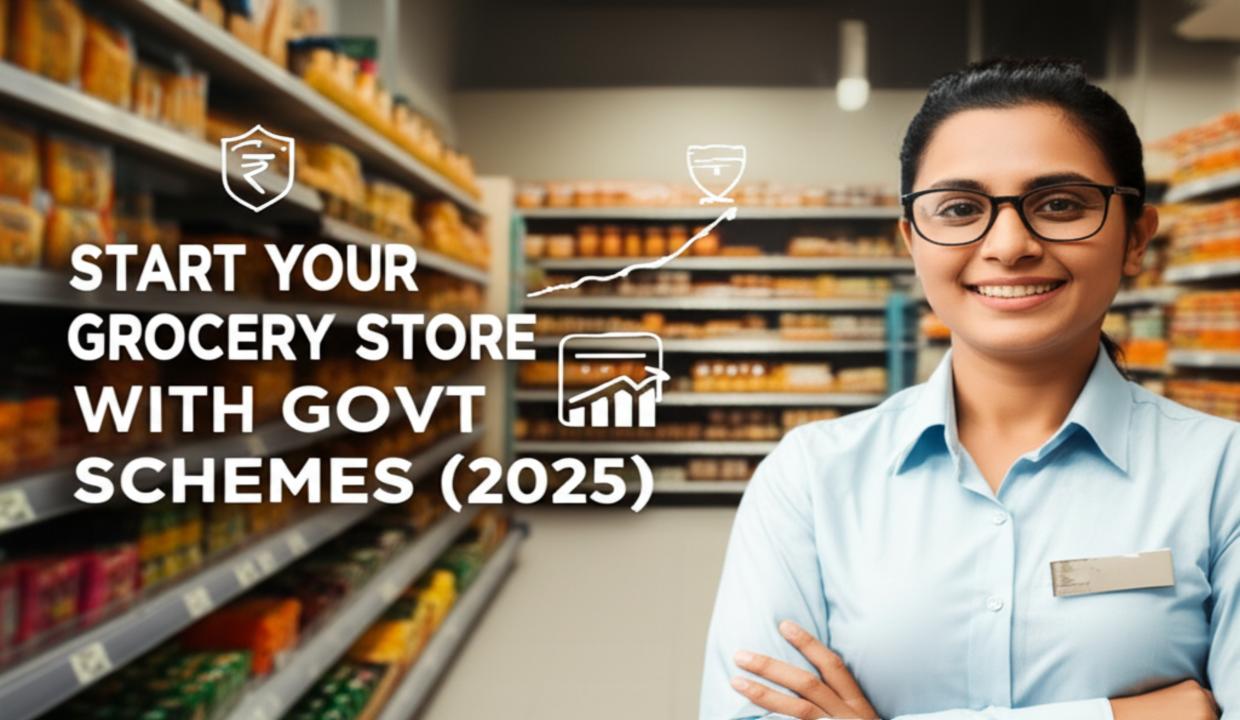
Are you dreaming of opening your own grocery store in 2025? The good news is that the Indian government is actively supporting small and medium-sized enterprises (MSMEs), and this includes grocery businesses. Navigating the world of government schemes can seem daunting, but with the right information, you can secure crucial financial assistance and guidance.
This comprehensive guide will walk you through everything you need to know about how to open a grocery store with government help. We will explore key schemes, essential business setup requirements, and what’s new for aspiring entrepreneurs in 2025. Get ready to turn your entrepreneurial vision into a thriving reality!
Main Highlights: Open a Grocery Store with Government Scheme 2025
Opening a grocery store in 2025 offers a fantastic opportunity, especially with the strategic backing of government schemes. These initiatives are designed to reduce financial burdens and provide a robust support system for new businesses. By leveraging these programs, you can access capital, mentorship, and even tax benefits.
The government’s focus on boosting local economies means that the landscape for aspiring grocery store owners is more favorable than ever. Understanding these schemes is the first step towards a successful launch. Let’s delve into the specific programs that can help your kirana store government scheme dream come true.
Unlocking Government Schemes for Your Grocery Store
The Indian government offers a suite of powerful schemes tailored to support startups and MSMEs. These programs are vital for anyone looking for a grocery store business loan or other forms of assistance. Here are some of the most impactful ones you should consider:
- Prime Minister’s Employment Generation Programme (PMEGP): This flagship scheme is designed to create self-employment opportunities through the establishment of micro-enterprises. PMEGP provides financial assistance for new projects, covering a significant portion of the project cost through subsidies. It’s an excellent starting point for securing funding for your grocery venture.
- Stand-Up India Scheme: Specifically aimed at empowering women and Scheduled Castes/Tribes entrepreneurs, Stand-Up India promotes greenfield enterprise (first-time ventures) in manufacturing, services, or trading sectors. This includes grocery stores. It facilitates bank loans between ₹10 lakh and ₹1 crore.
- Udyogini Scheme: While not a central government scheme, many states have adapted or implemented their versions of Udyogini, often under different names, to provide financial aid and mentorship specifically for women entrepreneurs. These schemes aim to make women self-reliant through various business activities, including retail.
- Credit Guarantee Fund Trust for Micro and Small Enterprises (CGTMSE): One of the biggest hurdles for small businesses is the lack of collateral for loans. CGTMSE addresses this by providing guarantee cover to banks and financial institutions for collateral-free credit facilities extended to MSMEs. This scheme significantly eases the process of obtaining a grocery store business loan.
The 2025 government budgets have reportedly increased allocations to facilitate easier funding, tax exemptions, and market access for small businesses. This makes it an opportune time to explore these schemes, as detailed information can be found through various startup support portals. For comprehensive details on top government schemes for startups, you can refer to resources like this expert blog on startup schemes.
Specific Support for the Food and Grocery Sector
Beyond general MSME support, the government also has initiatives specifically designed for the food and agriculture sectors that can greatly benefit a grocery store owner.
The Pradhan Mantri Kisan Sampada Yojana (PMKSY) is a critical scheme in this regard. While primarily focused on food processing, its components offer substantial grants and subsidies for developing modern infrastructure. This includes cold chains, food parks, and agro-processing clusters.
For a grocery store, especially one planning to handle perishables or expand into value-added products, integrating with such infrastructure or leveraging its benefits can be highly advantageous. For official updates on schemes like PMKSY, government press releases are a valuable resource, such as this press note from the Press Information Bureau.
Essential Business Setup: Beyond Government Aid
Securing financial assistance is just one part of the equation. To successfully start grocery shop 2025, you need to meticulously plan your business setup. This involves several critical steps:
- Business Registration and Licenses: This is non-negotiable. You’ll need to register your business entity (e.g., sole proprietorship, partnership, or private limited company). Essential licenses include a GST registration, a Food Safety and Standards Authority of India (FSSAI) license for food products, and local trade permits. Starting early on these registrations helps avoid delays.
- Location, Location, Location: Choosing the right spot is paramount. Conduct thorough market research and analyze customer footfall in potential areas. A good location ensures visibility and accessibility, directly impacting your sales. Negotiating lease terms, possibly with rent concessions or incentives, can also significantly reduce initial overheads.
Design, Interior, and Comfort for Your Grocery Store
The physical appeal and functionality of your grocery store play a huge role in attracting and retaining customers. Think about creating a welcoming and efficient space.
- Store Layout and Ambiance: Design an appealing store layout that guides customers smoothly through aisles. Bright lighting makes the store feel spacious and inviting. Suitable shelving ensures products are displayed attractively and are easy to reach. Wide aisles prevent congestion, enhancing the shopping experience.
- Refrigeration and Storage: Investing in efficient refrigeration is crucial for maintaining food safety and minimizing spoilage, especially for dairy, produce, and frozen items. Proper storage solutions help in inventory management and reduce waste.
Technology and Safety in Your Grocery Venture
In 2025, technology is not just an advantage; it’s a necessity for efficient grocery store operations.
- Point-of-Sale (POS) System: A robust POS system is vital for seamless payment processing, accurate inventory tracking, and insightful sales management. Modern POS systems can also help with customer relationship management and loyalty programs.
- Security Measures: Implementing security cameras and other measures helps prevent theft and ensures a safe environment for both customers and staff. This protects your assets and provides peace of mind.
For a detailed checklist on starting a supermarket, which covers many of these essential points, resources like this guide on starting a supermarket can be incredibly helpful.
What’s New in 2025 for Grocery Store Owners?
The year 2025 brings a renewed emphasis on supporting small businesses and fostering local economies. Government initiatives are increasingly focusing on digital integration and ease of doing business.
- Increased Allocations: As mentioned, recent budgets have seen increased allocations for MSME schemes, aiming to make funding more accessible and less cumbersome.
- Digital Adoption: There’s a push for small businesses to adopt digital payment methods and online presence. Government programs may offer incentives or training for digital transformation, which is crucial for modern retail.
- Policy-Level Interest: Interestingly, some governments globally are even exploring owning grocery stores to combat food deserts, leveraging tax exemptions and centralized procurement to lower consumer prices. While this is a policy-level discussion, it highlights a growing governmental interest in grocery affordability and accessibility, indirectly benefiting the sector. For more on this, you can read articles like this insightful piece on government-owned grocery stores.
Actionable Steps for Aspiring Grocery Store Owners in 2025
Ready to take the leap and open a grocery store with government scheme 2025? Here’s a clear roadmap:
- Early Registration and Licensing: Don’t delay. Start the process for your business registration, GST, FSSAI, and trade licenses as early as possible. This is foundational.
- Scheme Application: Research and apply for the most relevant government schemes. Consider PMEGP for project funding, CGTMSE for collateral-free loans, and sector-specific subsidies like those under PM Kisan Sampada Yojana if applicable to your business model.
- Strategic Location & Lease: Identify your ideal location based on market research. Negotiate lease terms thoroughly, looking for incentives that can benefit your initial setup phase.
- Invest in Infrastructure & Tech: Plan your store layout meticulously. Allocate budget for essential technology like a POS system and reliable refrigeration. These are investments that pay off in efficiency and customer satisfaction.
- Seek Expert Consultation: Consider engaging with business consultants who specialize in government scheme applications and compliance. Their expertise can streamline the process and increase your chances of approval. #BusinessSuccess
Pros and Cons of Starting with Government Help
| Pros | Cons |
|---|---|
| Access to financial aid (loans, subsidies). | Potentially lengthy application processes. |
| Reduced risk with collateral-free loans (CGTMSE). | Strict eligibility criteria for some schemes. |
| Mentorship and training opportunities. | Compliance requirements can be complex. |
| Increased credibility and support. | Competition for limited funds. |
| Boosts local economy and employment. | Schemes can change or be updated. |
FAQ: Your Questions Answered
- How much loan can I get for a grocery store under government schemes?
The loan amount varies significantly by scheme. For instance, PMEGP offers subsidies on project costs up to ₹50 lakh for manufacturing and ₹20 lakh for service sector units. Stand-Up India can provide loans between ₹10 lakh and ₹1 crore. It depends on your project cost and eligibility criteria. - Is a FSSAI license mandatory for a grocery store?
Yes, if your grocery store sells packaged or unpacked food items, an FSSAI license is absolutely mandatory. It ensures your compliance with food safety and hygiene standards, which is crucial for public health and business legality. - Can I apply for multiple government schemes simultaneously?
Generally, you can apply for different schemes, but you must check the specific guidelines of each. Some schemes might have clauses preventing overlapping benefits for the same component of a project. It’s best to consult with scheme administrators or financial advisors. - What are the key documents required for a grocery store business loan?
Typically, you’ll need a detailed business plan, proof of identity and address, business registration documents, GST registration, FSSAI license, bank statements, and often a project report detailing costs and projected revenue. - How long does it take to get a government scheme loan approved?
The approval time varies. It can range from a few weeks to several months, depending on the scheme, the completeness of your application, and the processing efficiency of the respective banks or nodal agencies. Patience and meticulous documentation are key.
Conclusion
Opening a grocery store in 2025 is an exciting endeavor, made even more accessible through the various government schemes designed to support small businesses. From crucial financial aid like PMEGP and CGTMSE to sector-specific programs like PMKSY, the resources are available to help you lay a strong foundation.
Remember, success hinges not just on securing funding, but also on meticulous planning, adherence to regulations, smart location choices, and embracing modern retail technology. By combining government support with strategic business practices, you can confidently embark on your journey to owning a thriving grocery store.
We hope this guide has illuminated the path for you. Share your thoughts or questions in the comments below! If you’re looking for more insights on launching your venture, feel free to read other articles on our site or learn more About Us and how we help aspiring entrepreneurs. For any specific queries, you can also Contact our team.
Watch More in This Video
For a visual and updated walkthrough on starting your grocery store, check out this informative guide. It covers crucial legal, operational, and design essentials, providing practical tips on leveraging technology and modern retail trends to optimize your launch strategy.
Disclaimer: All images and videos are sourced from public platforms like Google and YouTube. If any content belongs to you and you want credit or removal, please inform us via our contact page.