
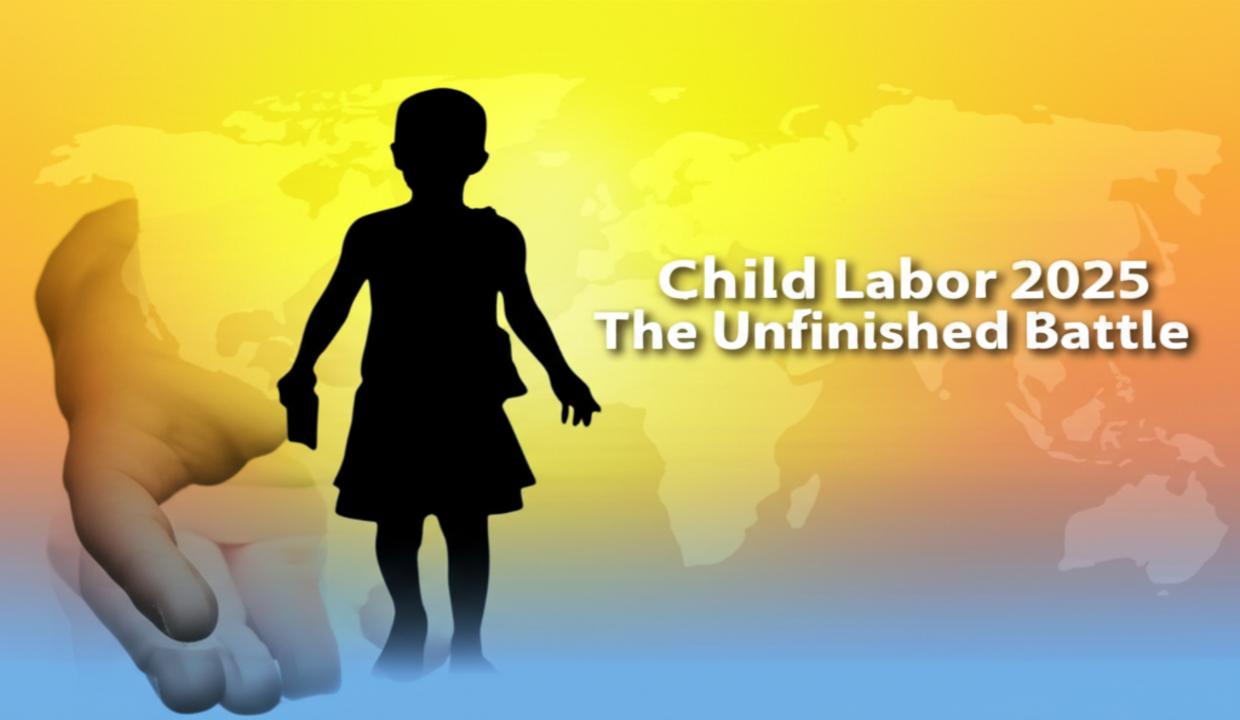
The global fight against child labor is a monumental undertaking, with countless organizations, governments, and communities dedicating efforts towards its eradication. Central to this mission is the concept of a comprehensive child labor rehabilitation scheme. As we navigate the landscape of 2025, it’s crucial to understand the progress made, the formidable challenges that persist, and the evolving strategies designed to protect our most vulnerable population: children.
This article delves deep into the multifaceted approach of the Child Labor Rehabilitation Scheme 2025. We will explore its international and national dimensions, examining the ambitious goals set, the current realities on the ground, and the critical measures required to rescue, support, and reintegrate children affected by this pervasive issue. From global commitments to localized efforts like the bal shramik punarvas yojana, understanding these initiatives is key to fostering a world where every child can thrive.
Understanding the Child Labor Rehabilitation Scheme 2025
The term Child Labor Rehabilitation Scheme 2025 broadly encompasses the collective global and national endeavors aimed at eradicating child labor and ensuring the holistic rehabilitation of affected children. This ambitious undertaking is intricately linked to the United Nations Sustainable Development Goal (SDG) Target 8.7, which calls for an end to all forms of child labor by 2025.
This scheme isn’t a single, monolithic program but rather a framework of coordinated actions. It involves legislative reforms, direct intervention programs, educational support, psychosocial care, and economic empowerment for families. The ultimate goal is to provide a lifeline to children trapped in exploitative work, guiding them towards a brighter future free from harm.
Defining Child Labor: A Global Perspective
To effectively combat child labor, it’s essential to understand its precise definition. According to international standards, child labor refers to work that deprives children of their childhood, their potential, and their dignity. It’s work that is harmful to their physical and mental development, or that interferes with their schooling.
It’s important to differentiate between harmful child labor and legitimate child work. Not all work performed by children constitutes child labor. Light work that does not endanger a child’s health, safety, or moral well-being, and does not interfere with their education, is generally permissible. The crucial distinction lies in whether the work threatens the child’s well-being and development. This nuanced understanding is vital for effective intervention strategies.
The Global Commitment vs. 2025 Reality
A global commitment was made by the UN, along with key partners like the International Labour Organization (ILO) and UNICEF, to eliminate child labor by 2025. This target, embedded within the SDGs, reflected a worldwide determination to protect children. However, as 2025 unfolds, the reality presents a stark contrast to this hopeful aspiration.
Progress has been disappointingly slow and uneven across various regions. Alarming statistics reveal that approximately 138 million children worldwide were still engaged in child labor as of mid-2025. A significant portion of these children are involved in hazardous conditions, particularly in sectors such as mining and agriculture, where dangers are amplified. This grim reality indicates that the world has largely failed to meet the ambitious 2025 target, underscoring the urgency for renewed efforts. Learn more about how the world fails to meet the 2025 child labor target.
Several factors impede progress, including pervasive poverty, limited access to quality education, and weak enforcement of existing labor laws. Regional disparities are stark; for instance, in Madagascar, a shocking 47% of children aged 5-17 are involved in child labor, with a third enduring perilous conditions. These figures highlight the deep-seated socioeconomic challenges that must be addressed alongside targeted rehabilitation efforts.
Core Components of Child Labor Rehabilitation
Effective child labor rehabilitation is a multi-pronged process that extends far beyond simply removing children from hazardous work. It encompasses a holistic approach designed to heal, educate, and empower. The core components of any successful child labor rehabilitation scheme include:
- Rescue and Withdrawal: The immediate priority is safely rescuing children from exploitative situations. This often involves collaboration between law enforcement, social workers, and NGOs.
- Educational Reintegration: Ensuring access to formal schooling or vocational training is paramount. Education provides children with the knowledge and skills necessary to escape the cycle of poverty and exploitation.
- Psychosocial Support: Many children engaged in child labor suffer from trauma, stress, and developmental setbacks. Comprehensive psychosocial counseling and support are critical for their emotional healing and well-being.
- Skill Development and Livelihood Training: For older children, vocational training can provide them with marketable skills, enabling them to secure dignified employment in the future.
- Family Support and Poverty Alleviation: Addressing the root causes of child labor, such as poverty, is vital. This involves integrating families into poverty alleviation programs, providing alternative livelihood opportunities, and raising awareness about the importance of education.
These measures collectively aim to not only rescue children but also to provide them with the tools and support needed for a sustainable, child-appropriate future.
Legislative Frameworks and Corporate Accountability
Strong legislative frameworks are the backbone of any effective child labor rehabilitation scheme. Countries and regional bodies are increasingly urged to adopt and enforce laws that require companies to identify, prevent, and remedy child labor within their supply chains. This includes critical measures such as import bans on goods produced with child labor, ensuring that consumers are not unknowingly complicit in exploitation.
The International Labour Organization’s Convention 138 on Minimum Age of Employment is a cornerstone for protecting children globally. This convention sets a minimum age for employment, aligning with the completion of compulsory schooling. However, universal ratification and rigorous enforcement remain significant challenges. Some major economies, including the U.S., have yet to fully ratify or align their domestic laws with this vital convention, creating gaps in global protections. More information on global efforts can be found via the European External Action Service.
Corporate accountability is also gaining traction. Businesses are increasingly expected to conduct due diligence to ensure their supply chains are free from exploitation. This shift aims to make corporations responsible for the social impact of their operations, moving beyond mere compliance to proactive ethical sourcing. This includes confronting invisible hands in global supply chains.
Navigating the 2025 Landscape: Challenges and Controversies
Despite global commitments, the path to ending child labor by 2025 has been fraught with challenges. One of the primary obstacles is the enforcement gap. Many countries possess robust laws against child labor, yet face severe budget constraints and political limitations in implementing them effectively. This results in inadequate inspections, limited prosecutions, and continued exploitation.
Furthermore, recent policy discussions around 2025 have raised significant concerns. For instance, in the U.S., proposals like Project 2025 have drawn sharp criticism for potentially weakening existing child labor protections. Critics argue that such proposals could permit hazardous work for minors, thereby increasing the risk of child exploitation and rolling back decades of progress. This highlights a worrying trend where economic interests might compromise child safety. Read more about concerns regarding Project 2025 and child labor exploitation.
The persistence of poverty also remains a formidable barrier. In many communities, families resort to sending children to work out of sheer economic necessity. Without comprehensive poverty alleviation strategies and social safety nets, children will continue to be vulnerable to exploitation, regardless of legislative efforts. The challenge is immense, and requires a holistic approach that tackles both supply and demand for child labor.
The Role of Government and Child Welfare Schemes
Government initiatives play a pivotal role in the fight against child labor. Many nations have enacted specific government schemes for children and dedicated child welfare schemes aimed at preventing and rehabilitating child laborers. In India, for example, the concept of a bal shramik punarvas yojana (child labor rehabilitation scheme) is central to national policy, focusing on direct intervention, educational support, and financial aid to vulnerable families.
These schemes often involve inter-ministerial coordination, bringing together departments of labor, education, women and child development, and social justice. They typically offer services such as residential facilities for rescued children, bridge courses to mainstream them into formal education, vocational training, and stipends or scholarships. The effectiveness of these programs hinges on adequate funding, efficient administration, and widespread community awareness and participation. The UN continues to highlight the need for coordinated action, as detailed in recent UN news on child labor.
Pros and Cons of Current Rehabilitation Approaches
While the goal of eradicating child labor is universally supported, the current approaches to rehabilitation come with their own set of advantages and disadvantages. It’s essential to critically assess these to identify areas for improvement and ensure more effective interventions.
| Pros | Cons |
|---|---|
| Increased global awareness and political will. | Persistent high numbers of children in labor (138 million+). |
| Established international frameworks (ILO Conventions, SDGs). | Weak enforcement and legislative gaps in many countries. |
| Existence of dedicated NGOs and grassroots movements. | Underfunding of rehabilitation programs and support services. |
| Focus on education and psychosocial support. | Root causes like poverty remain largely unaddressed. |
| Growing corporate accountability initiatives. | New policy proposals risk weakening protections (e.g., Project 2025). |
| Comprehensive child welfare schemes in many nations. | Lack of long-term sustainable solutions for families. |
Beyond 2025: Best Practices and the Path Forward
As the 2025 target for ending child labor passes without full achievement, the focus must shift from a deadline to a renewed commitment. The path forward requires a redoubling of efforts and the widespread adoption of best practices that have proven effective. Key among these are:
- Strengthening Education Systems: Ensuring universal access to free, quality education is the most powerful tool against child labor. This includes providing school meals, transport, and learning materials to alleviate financial burdens on families.
- Robust Social Protection: Implementing and expanding social safety nets, such as conditional cash transfers to families, can directly address poverty and reduce the need for children to work.
- Empowering Communities: Engaging local communities in monitoring, reporting, and preventing child labor creates a collective sense of responsibility and enhances the effectiveness of interventions. Local initiatives for child labor help are crucial.
- Enhanced Enforcement: Strengthening labor inspectorates, improving coordination among law enforcement agencies, and ensuring swift legal action against perpetrators are critical for deterrence.
- Responsible Business Practices: Encouraging and mandating due diligence for businesses across their global supply chains can significantly reduce the demand for child labor in various industries. This aligns with modern ethical consumption #supplychain transparency.
The lessons learned from the challenges leading up to 2025 must inform future strategies. A concerted, multi-stakeholder approach involving governments, civil society, businesses, and communities is essential to protect children’s rights.
Watch More in This Video
For a deeper dive into global efforts and best practices for child labor rehabilitation, watch this informative video:
Frequently Asked Questions (FAQ)
-
What is the primary goal of the Child Labor Rehabilitation Scheme 2025?
The primary goal is to eradicate child labor in all its forms by 2025, as outlined in UN SDG Target 8.7. It focuses on rescuing children, providing rehabilitation services, and addressing root causes like poverty to ensure children return to education and a normal childhood.
-
Has the 2025 target for ending child labor been met?
Unfortunately, no. As of mid-2025, approximately 138 million children are still engaged in child labor globally. While significant progress has been made in some areas, the world has fallen short of achieving the ambitious 2025 target.
-
What is a bal shramik punarvas yojana?
A bal shramik punarvas yojana refers to a child labor rehabilitation scheme, often specific to national or regional initiatives (like in India). These schemes typically involve rescuing children, providing them with education and skill development, and offering support to their families to prevent re-entry into labor.
-
How do government schemes for children contribute to child labor eradication?
Government schemes for children contribute by providing free education, nutritional support, vocational training, and social safety nets for vulnerable families. These child welfare schemes reduce the economic pressure that forces children into labor and offer pathways to a better future.
-
How can individuals provide child labor help?
Individuals can help by supporting reputable organizations working on the ground, advocating for stronger legislation, choosing products from ethical supply chains, and raising awareness in their communities. Education and community engagement are powerful tools for change. Consider learning more About Us and how you can get involved.
Conclusion: A Collective Responsibility
The Child Labor Rehabilitation Scheme 2025 represents a critical phase in the global effort to end child labor. While the ambition of eradicating it by 2025 has not been fully realized, the frameworks, strategies, and renewed commitment remain vital. The ongoing fight requires persistent legislative action, robust enforcement, comprehensive rehabilitation programs, and sustained efforts to alleviate poverty.
Every child deserves a childhood free from exploitation, filled with opportunities for learning and growth. It’s a collective responsibility to ensure that the vision of a world without child labor becomes a reality, not just a distant goal. By continuing to support and strengthen initiatives like the bal shramik punarvas yojana and other government schemes for children, we can move closer to achieving this fundamental human right for every child. We encourage you to share this article and learn more about how you can contribute. Feel free to Contact us for more information or to provide feedback.
Disclaimer: All images and videos are sourced from public platforms like Google and YouTube. If any content belongs to you and you want credit or removal, please inform us via our contact page.